Hypocras: the spiced wine of medieval kings
Hypocras is a medieval spiced wine whose recipe dates back to the 13th century. A subtle blend of wine, honey and spices such as cinnamon, ginger and cloves, this drink was served at royal courts and in medieval taverns. This article traces its history, its traditional recipe and the reasons why hypocras remains an exceptional beverage that we offer at Taverne de l'Oratoire in Grasse.
Contents
The fascinating history of medieval hypocras
Hypocras takes its name from Hippocrates, the famous ancient Greek physician. According to tradition, the recipe was inspired by the principles of Hippocratic medicine, which advocated the use of spices and plants to heal the body. Spiced wine was then considered a remedy as much as a pleasure drink.
The earliest written recipes for hypocras date from the 13th century, in French and English culinary manuscripts. The 'Ménagier de Paris' (1393), a domestic treatise written for a young bourgeois wife, contains one of the most detailed recipes: red wine, honey, cinnamon, ginger, cloves and long pepper, all filtered through a cloth called the 'Hippocratic sleeve'.
Hypocras held a distinguished place in French medieval gastronomy. It was served at the end of royal banquets as a digestif, accompanied by confectionery and dried fruits. Charles V, King of France, was a great lover of it. The drink was also present in popular taverns, where it warmed guests during cold winter evenings.
The traditional hypocras recipe: spices and expertise
The recipe for hypocras varies by region and era, but the basic ingredients remain the same: wine (red or white), honey and a carefully measured blend of spices.
Wine forms the base of hypocras. In the Middle Ages, locally available wines were used, often from southern France. Today, a good fruity red wine or a dry white wine can serve as a base. The choice of wine significantly influences the final result.
Honey is the natural sweetener that softens the wine and binds the spice flavours. Wildflower or acacia honey works perfectly. The amount of honey varies: medieval recipes used generous proportions, while modern versions tend towards more subtlety.
Spices form the soul of hypocras. Cinnamon is the dominant spice, bringing warmth and sweetness. Ginger adds a fresh, pungent note. Cloves bring depth. Other spices may complement the blend: nutmeg, cardamom, long pepper, galangal, or even saffron for the most luxurious versions.
The traditional preparation involves macerating the spices and honey in the wine for 24 to 48 hours, then filtering the mixture through a fine cloth. The result is an aromatic, spiced and sweet drink that keeps for several weeks when chilled.
Red or white hypocras: what are the differences?
Hypocras comes in two main versions: red and white. Each has its own characteristics and uses.
Red hypocras is the most traditional version. Made from red wine, it offers a deep colour, aromas of red fruits blended with spices and fine complexity on the palate. It is the ideal version to accompany red meats, sauced dishes and cheeses. Its warming character makes it the drink of choice for winter evenings and medieval feasts.
White hypocras is a lighter, more refreshing version. Prepared with dry white wine, it showcases the spices differently: cinnamon and ginger come through with more freshness, and the floral notes of white wine add elegance. It is served chilled, sometimes as an aperitif, and pairs well with fish, poultry and desserts.
At Taverne de l'Oratoire, we offer both versions. Our artisanal hypocras is crafted according to traditional recipes, with whole spices of the finest quality and French honeys. Each version is a journey through time, a reminder of the flavours that delighted royal and popular palates in the Middle Ages.
How to taste hypocras and food pairings
Hypocras is ideally tasted at 12 to 16°C for the red version, and 8 to 12°C for the white. On the nose, it immediately reveals its spiced notes of cinnamon and ginger, followed by the sweetness of honey and the aromas of the wine.
On the palate, the first impression is the honey's sweetness, followed by the warmth of the spices. Cinnamon dominates, ginger brings its fresh piquancy, and cloves leave a woody note on the finish. The whole is round, complex and lingering.
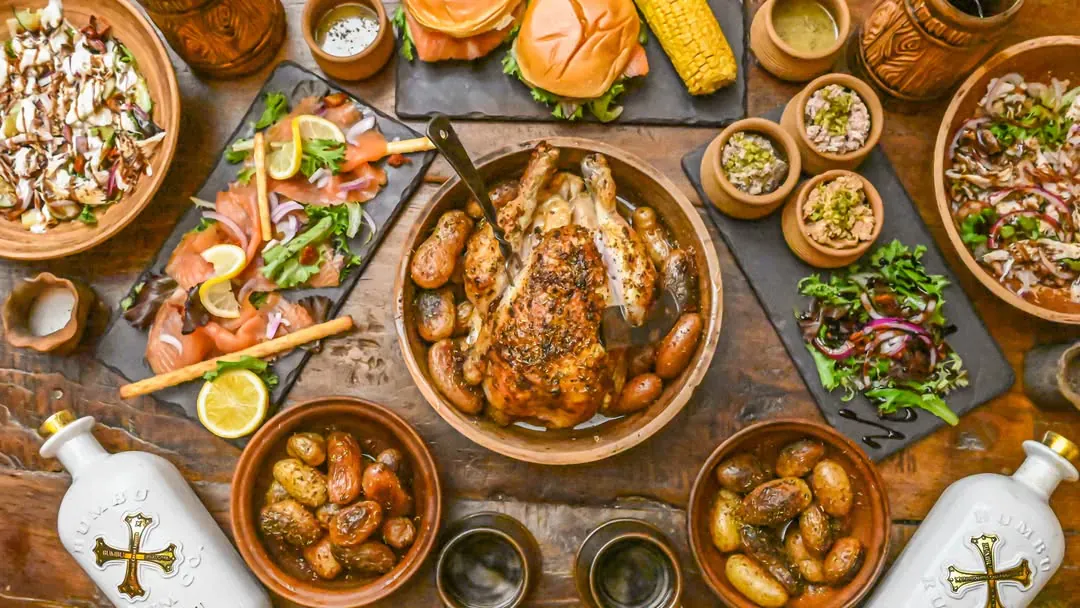
Red hypocras pairs wonderfully with the medieval cuisine at Taverne de l'Oratoire. We recommend it with our poularde with mustard and honey sauce, our sauced dishes and roasted meats. White hypocras perfectly accompanies our starters and desserts.
As with mead, hypocras can also be enjoyed on its own as a digestif, as the kings of France did at the end of their feasts. It is a privileged tasting moment, to be savoured slowly to appreciate the full complexity of this medieval drink.
Hypocras, mulled wine, Moretum: telling spiced wines apart
Hypocras is often mistaken for mulled wine, yet the two drinks are not made the same way. Mulled wine is heated with its spices and drunk piping hot, as a winter drink. Hypocras relies on maceration instead: the honey and spices infuse in the wine for 24 to 48 hours, then the mixture is strained through a fine cloth. It is then served cool or at cellar temperature, which preserves the finesse of the wine and the clarity of the cinnamon, ginger and clove aromas.
Hypocras is not the only spiced wine inherited from ancient tables. At the Taverne de l'Oratoire, it sits on the medieval drinks menu alongside two close cousins: Moretum, a red wine spiced with honey and blackberry, and Ambroisie, a white wine flavoured with honey, apple, lemon, cloves and orange blossom. They all share the same idea, a wine softened with honey and lifted with aromatics, but each has its own personality: hypocras for warm spices, Moretum for dark fruit, Ambroisie for floral freshness.
To compare these drinks side by side, the tavern's Tasting Formula brings together mead, red and white hypocras, Moretum and Ambroisie. It is the best way to grasp what sets hypocras apart from its neighbours, and to pick the one that will accompany your meal.
Buying a bottle of artisanal hypocras to take away
Want to extend the tasting at home or offer a bottle as a gift? At the Taverne de l'Oratoire, hypocras can be ordered by the Graal, the tavern's serving cup, or by the bottle. Like all our medieval drinks, it is also available to take away, subject to stock.
The tavern also runs Les Trois Druides, its artisanal medieval drinks shop, dedicated to meads, beers and other ancient-inspired beverages. A bottle of red or white hypocras makes an original gift for lovers of history and gastronomy, and lets you rediscover at home the spice and honey aromas first enjoyed at the table.
As stock varies with the seasons, the simplest option is to call us before coming by to check that the version you want is available.
Tasting hypocras at Taverne de l'Oratoire in Grasse
At Taverne de l'Oratoire, hypocras is an integral part of our medieval drinks menu. Alongside mead, it is one of our two artisanal specialities that have made our tavern famous in the Grasse area and across the Côte d'Azur.
We source our hypocras from artisans who respect traditional production methods, using whole spices and quality French honey. Our menu offers red and white hypocras to satisfy all palates and accompany every dish on our menu.
During our monthly medieval evenings (from October to March), hypocras is the star drink of the feast. Served in stoneware chalices, it fully contributes to the period atmosphere that creates the magic of these unique evenings in Grasse.
Come and discover artisanal hypocras in an authentic medieval setting. Taverne de l'Oratoire welcomes you at 23 rue de l'Oratoire, in the heart of Grasse's historic centre. Book your table on 04 93 66 57 97 or directly online. We are open every evening and for lunch from Wednesday to Sunday.
Questions Fréquentes
What does medieval hypocras taste like?+
Hypocras has a taste of spiced wine sweetened with honey. The dominant flavours are cinnamon, ginger and cloves, with sweetness from the honey. It comes in a red version (warmer) and a white version (fresher).
Does hypocras contain a lot of alcohol?+
Hypocras has an alcohol content similar to the wine from which it is made, generally between 12 and 14 degrees. The honey and spices soften the taste of the alcohol, but its content remains comparable to a glass of regular wine.
Where can I drink artisanal hypocras?+
You can taste artisanal hypocras at Taverne de l'Oratoire in Grasse (23 rue de l'Oratoire, 06130 Grasse). It is the only medieval restaurant on the Côte d'Azur offering this drink in an authentic setting.
What is the difference between mead and hypocras?+
Mead is made from fermented honey and water, without wine. Hypocras is a wine flavoured with honey and spices (cinnamon, ginger, cloves). They are two distinct medieval drinks, both available at the Tavern.
What is the difference between hypocras and mulled wine?+
Mulled wine is heated with its spices and drunk piping hot. Hypocras is made by maceration: the honey and spices infuse in the wine for 24 to 48 hours, then the mixture is strained and served cool or at cellar temperature. The result is finer, with clearer cinnamon, ginger and clove aromas.
Can I buy a bottle of hypocras to take away?+
Yes. At the Taverne de l'Oratoire in Grasse, hypocras is served by the Graal or by the bottle, and our medieval drinks are available to take away, subject to stock. A quick call before coming by lets you check whether red or white hypocras is available.